How to Identify High Quality Pet Food on the Label
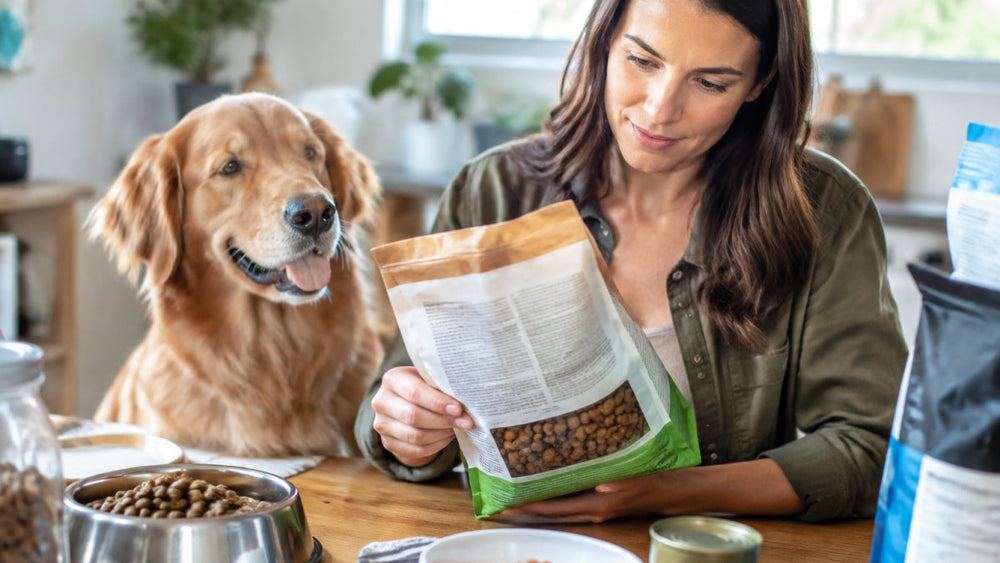
Pet food bags are covered in marketing words. The label on the back tells the real story — here’s how to read it in under a minute.
Look for the nutritional adequacy statement
In the U.S., a statement referencing AAFCO tells you whether the food is “complete and balanced” for a life stage (growth, adult maintenance or all life stages). If it says “for intermittent or supplemental feeding,” it’s a treat or topper, not a full diet.
Read the first few ingredients
Ingredients are listed by weight before cooking. A named animal protein (like “chicken” or “salmon”) near the top is a good sign. Vague terms like “meat by-products” tell you less about what’s inside.
Check the guaranteed analysis
This lists minimum protein and fat and maximum fiber and moisture. Compare dry foods to wet foods on a dry-matter basis, since moisture changes the numbers dramatically.
Match the food to your pet
- Puppies and kittens need growth formulas.
- Seniors and less-active pets may need fewer calories.
- Switch foods gradually over 7–10 days to avoid tummy upset.
Your vet is always the best guide for pets with health conditions.