How to Choose Safe Pet Toys for Dogs, Cats and Small Pets
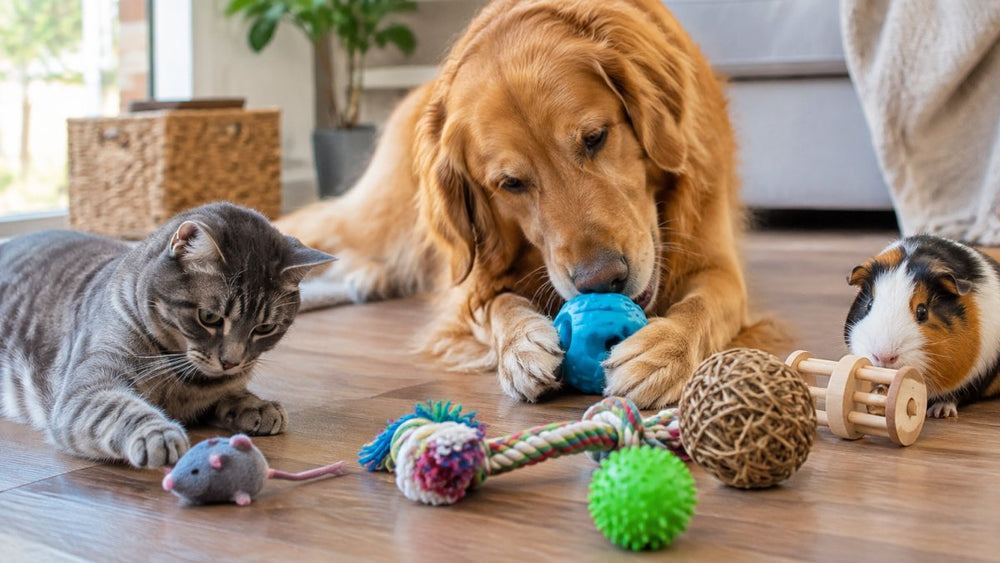
The right toy keeps a pet busy, fit and out of trouble. The wrong one can become a vet visit. A few simple rules make choosing easy.
Size it up
A toy should be too big to swallow — for dogs, larger than the back of the mouth. When in doubt, size up.
Match durability to chewing style
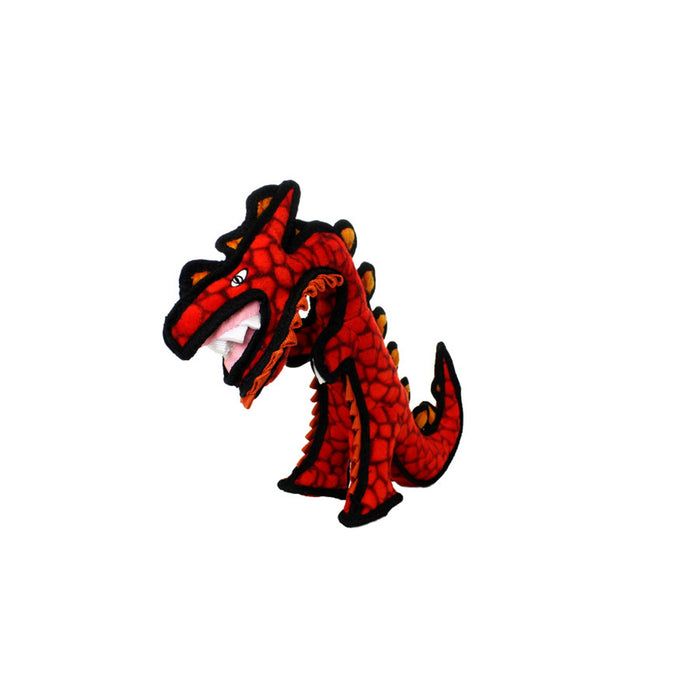
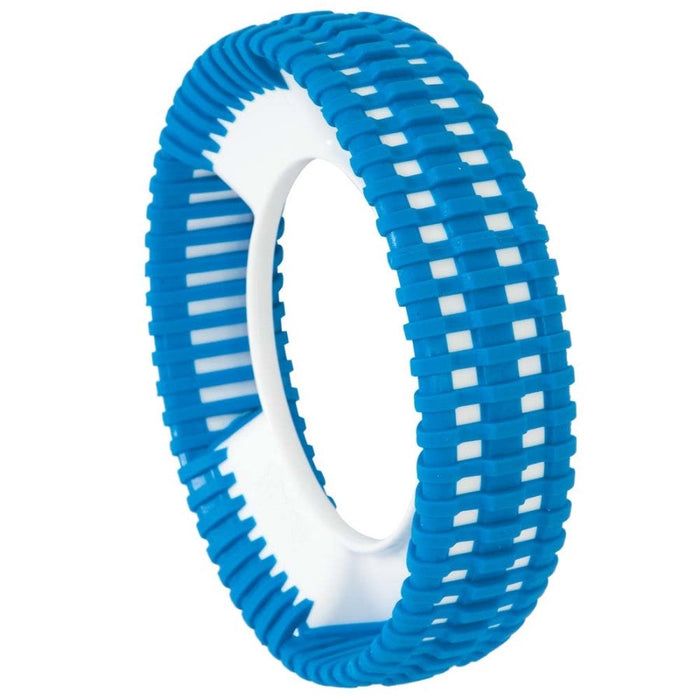
Power chewers need tough rubber or reinforced toys. Plush toys are for gentle players and supervised play. Remove any toy once it’s torn, cracked or small enough to swallow.
Cats: think prey
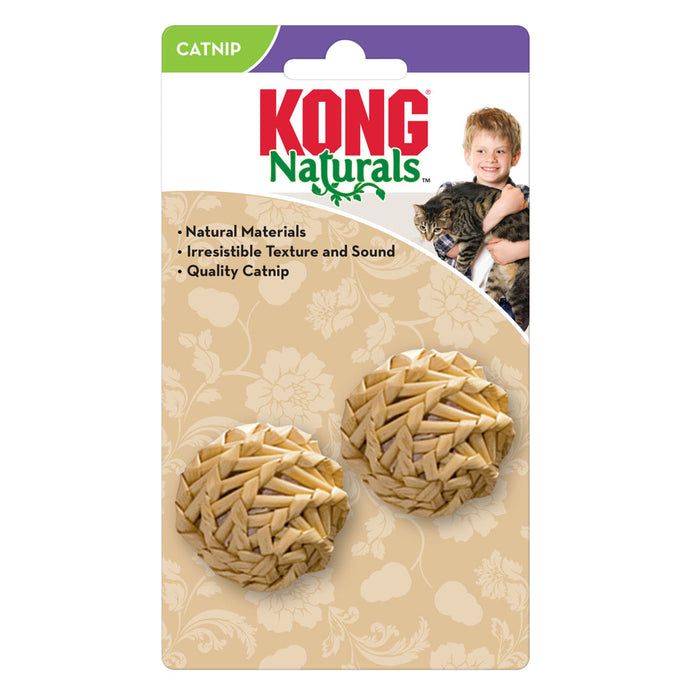
Wand toys, crinkly balls and chirping birds tap into hunting instincts. Put string and elastic toys away after play so they can’t be swallowed.
Small pets: chew is a need, not a hobby
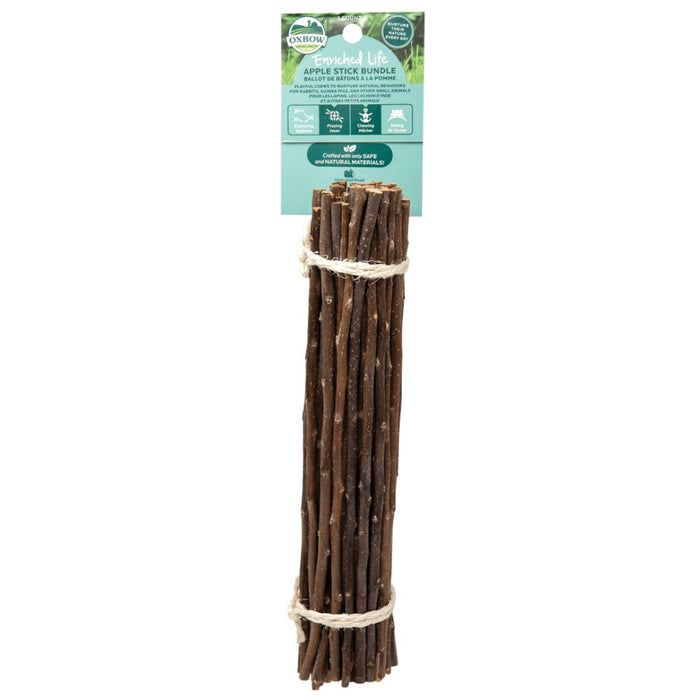
Rabbits, guinea pigs and hamsters have teeth that never stop growing. Untreated wood, apple sticks, hay-based toys and loofah chews help keep teeth healthy.
Rotate to keep it new
Swap a few toys out each week. Old toys feel brand new when they come back.