
Learn about your creatures
Quick, practical basics — lifespan, habitat, diet and the mistakes to avoid — for the animals our customers keep most. Every pet is different, so check with your vet for anything health-related.

Dogs & Puppies
From puppy to senior, dogs thrive on routine, exercise and a complete, balanced diet.
- Feed a growth formula until your puppy reaches adult size
- Match toys to chew strength and size
- Brush teeth or use dental chews regularly
- Seniors benefit from joint support and orthopedic beds

Cats
Indoor cats need hunting-style play, vertical space and plenty of fresh water.
- Play with wand toys daily to burn energy
- Offer scratching posts near sleeping spots
- Wet food and fountains help with hydration
- Put string toys away after play

Budgies & Small Birds
Social, chatty and clever, small birds need company, flight time and foraging fun.
- Rotate toys weekly to prevent boredom
- Offer perches of different widths and textures
- Never use nonstick (PTFE) pans near birds — fumes are toxic
- Provide a cuttlebone or mineral block
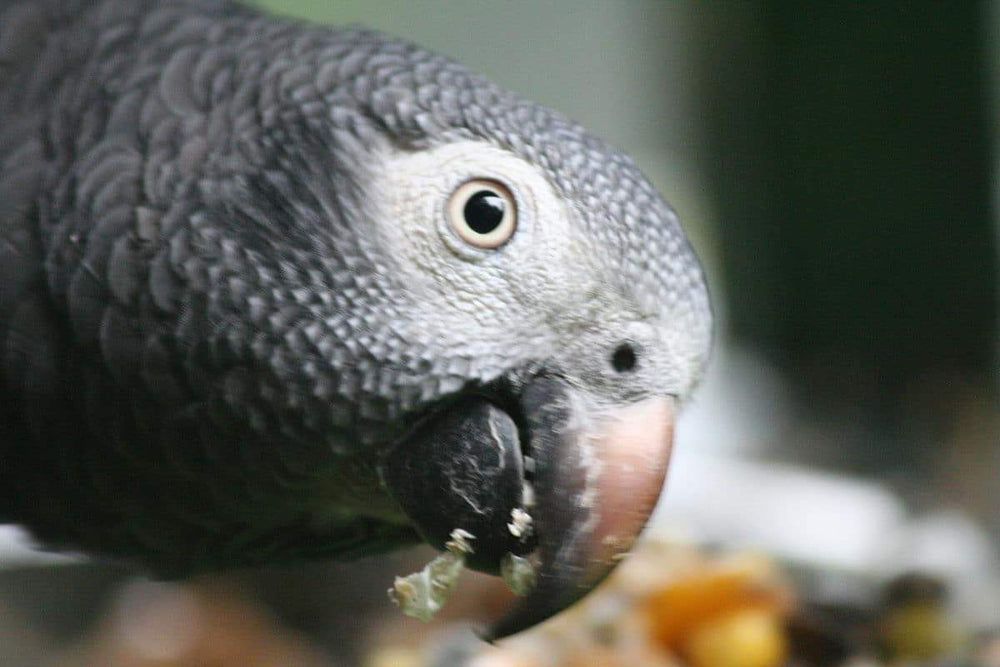
Parrots
Larger parrots are lifelong companions with big brains that need daily enrichment.
- Foraging toys turn mealtime into a puzzle
- Destructible toys satisfy the urge to chew
- Keep a consistent daily routine
- Avoid avocado, chocolate and caffeine

Guinea Pigs
Gentle, vocal and social — guinea pigs are happiest in pairs with lots of hay.
- Grass hay should make up most of the diet
- Add fresh vitamin-C-rich veggies daily
- Provide a hideout for every pig
- Check nails and teeth regularly
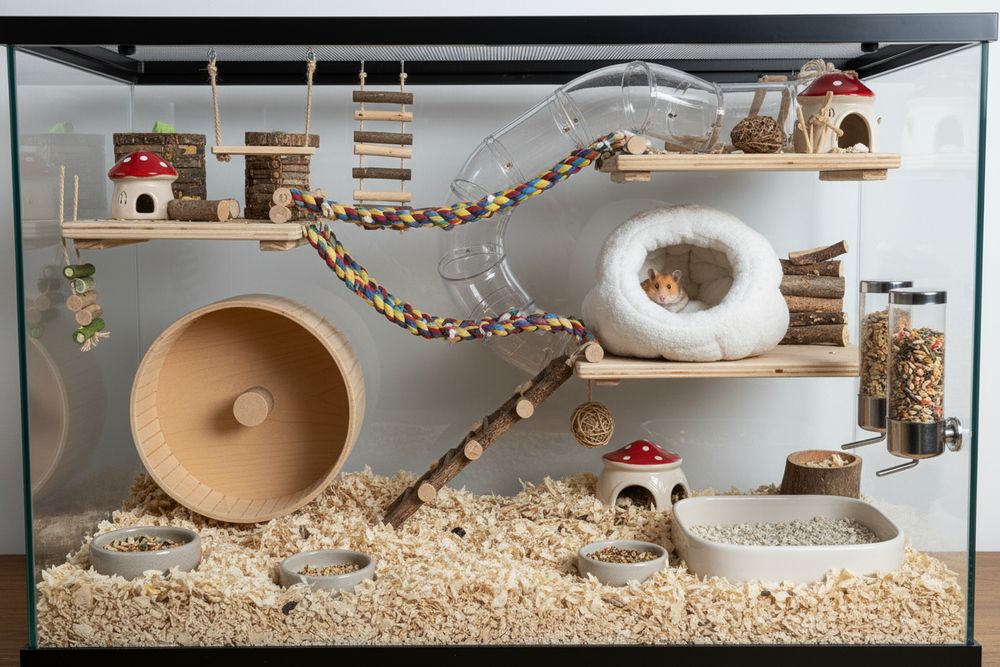
Hamsters & Gerbils
Natural burrowers that need deep bedding, a big wheel and room to explore.
- Choose a solid-surface wheel large enough to keep the back straight
- Avoid cedar and scented bedding
- Scatter-feed to encourage foraging
- Spot-clean instead of full changes
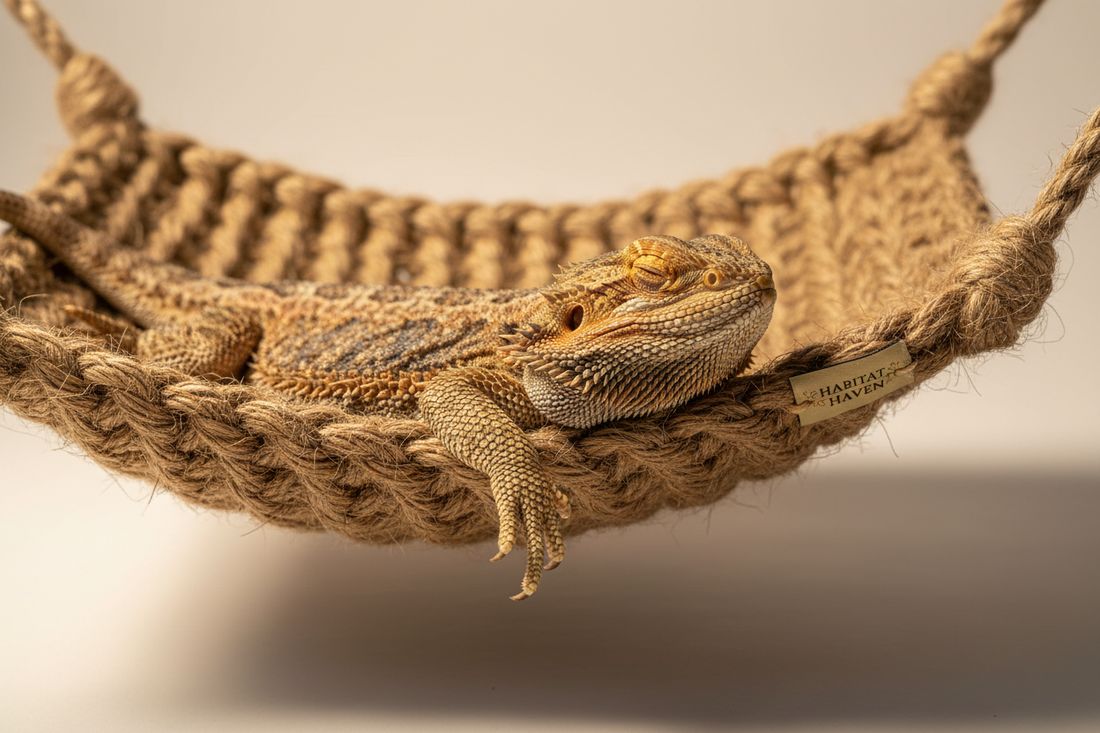
Bearded Dragons
Curious and personable lizards that need strong heat and UVB to thrive.
- Provide a warm basking spot and a cooler side
- Replace UVB bulbs on schedule
- Dust insects with calcium
- Offer fresh leafy greens daily
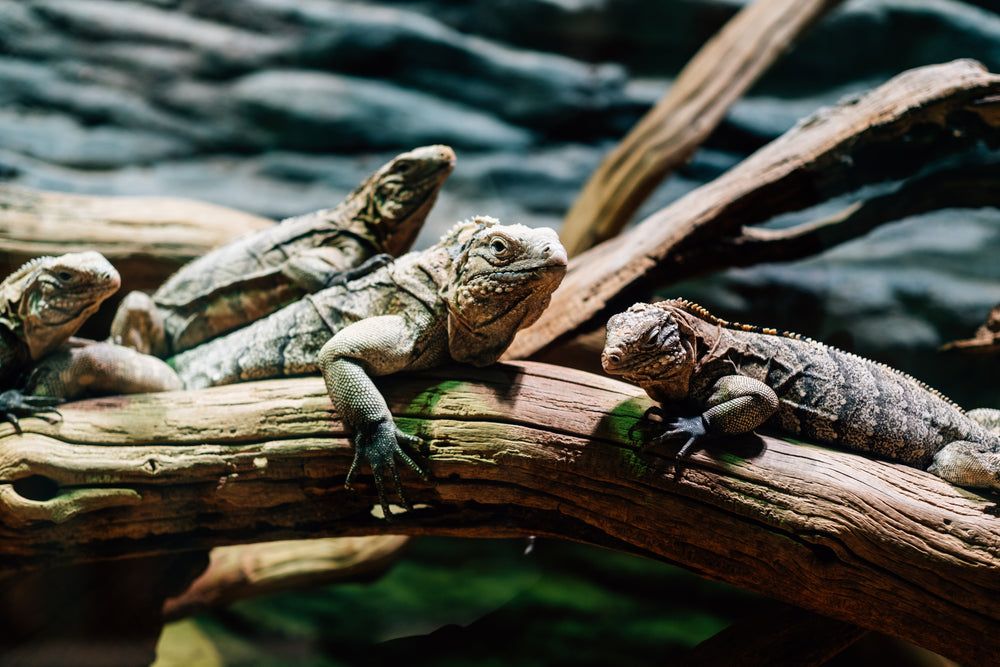
Geckos & Lizards
Leopard and crested geckos are popular, hardy starter reptiles.
- A humid hide helps leopard geckos shed cleanly
- Use a thermostat on every heat source
- Dust feeders with calcium
- Crested geckos also eat complete powdered diets
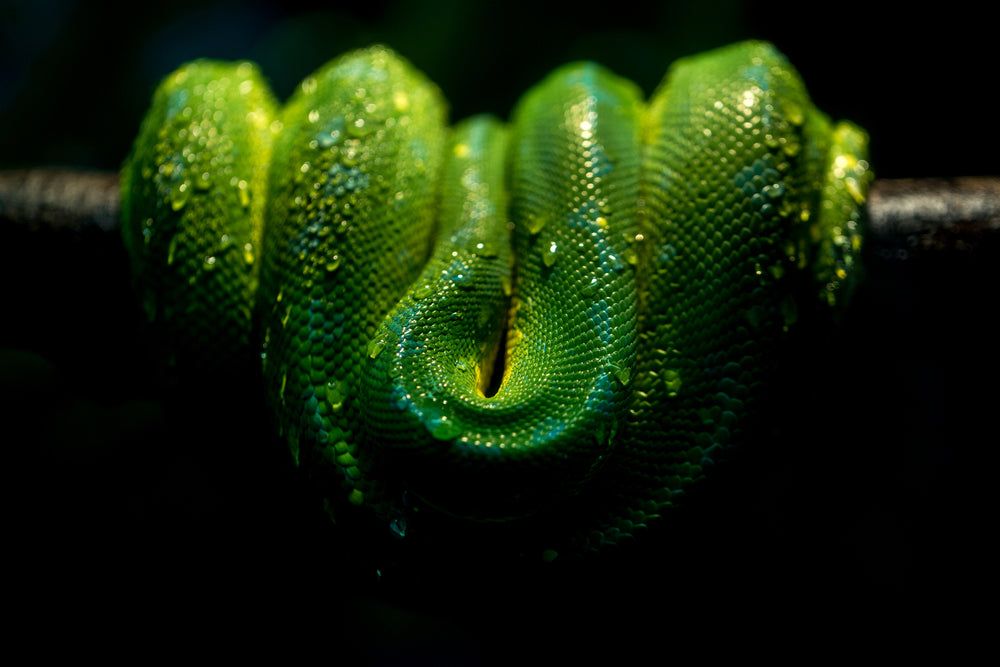
Snakes
Ball pythons and corn snakes are calm, long-lived and easy to keep with the right setup.
- Snakes are escape artists — secure every lid
- Provide snug hides on both sides
- Feed frozen-thawed prey for safety
- Keep humidity right for clean sheds
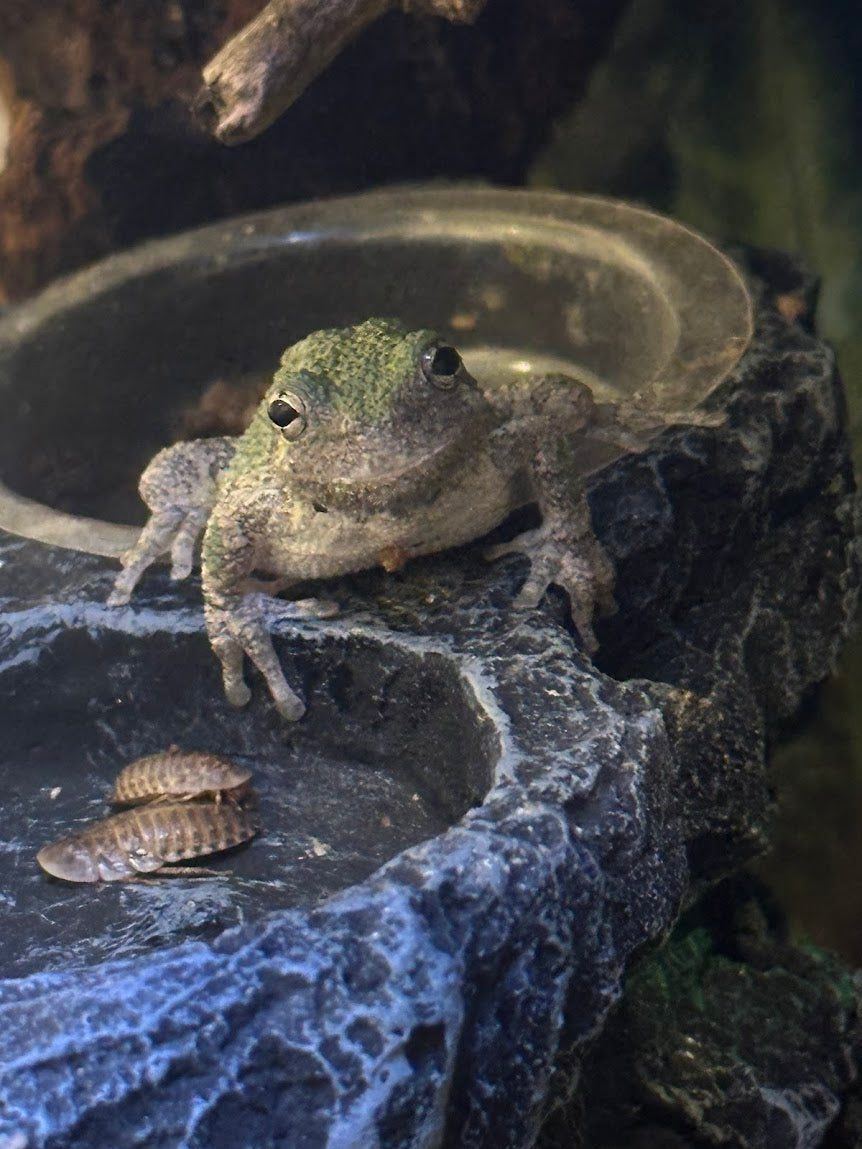
Frogs & Amphibians
Absorbent skin means clean water and stable humidity matter more than anything.
- Never use untreated tap water
- Mist with dechlorinated water
- Live plants help hold humidity
- Wash hands before and after handling
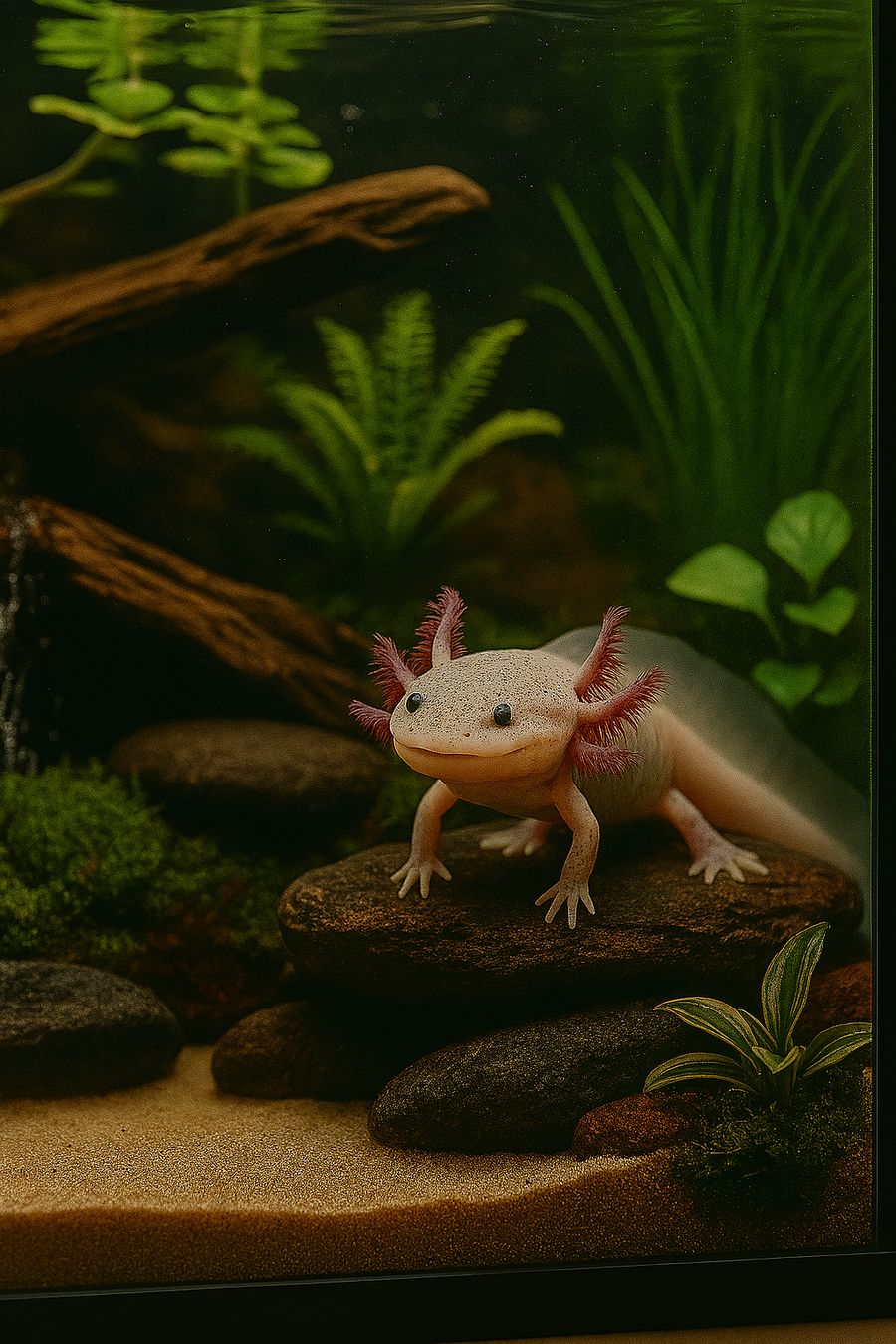
Axolotls
These smiling salamanders stay aquatic for life and need cool, clean water.
- Use fine sand or a bare bottom — no small gravel
- Keep water flow gentle
- A fan or chiller helps in summer
- Cycle the tank before adding your axolotl
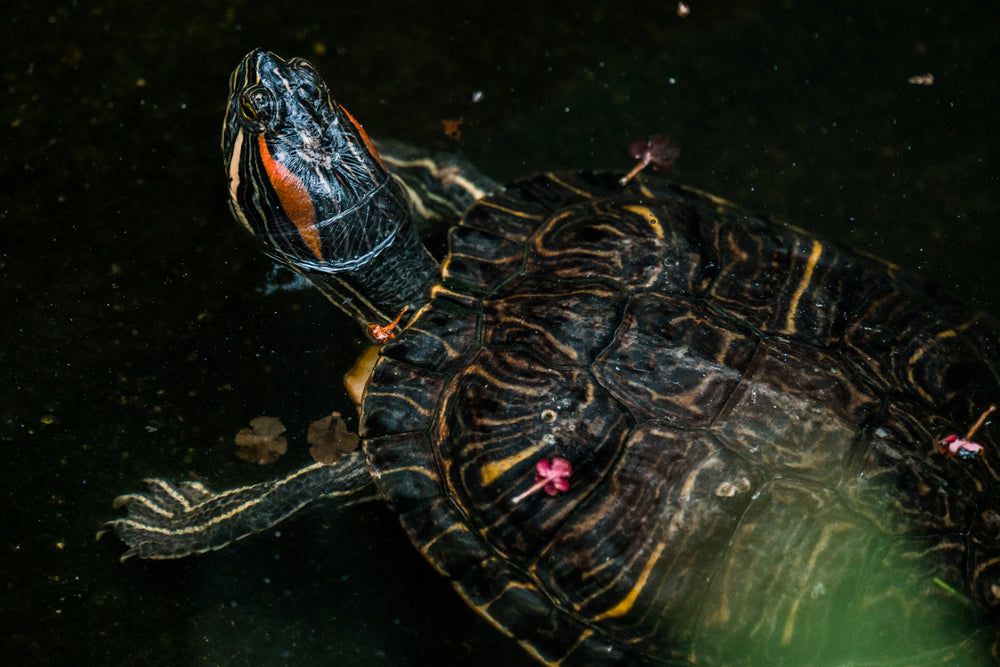
Aquatic Turtles
Long-lived and messy eaters — turtles need big water, strong filters and a dry basking dock.
- Filter rated for 2–3× the tank volume
- A fully dry basking area is a must
- Feed in a separate tub to keep water clean
- Plan for a bigger tank as they grow
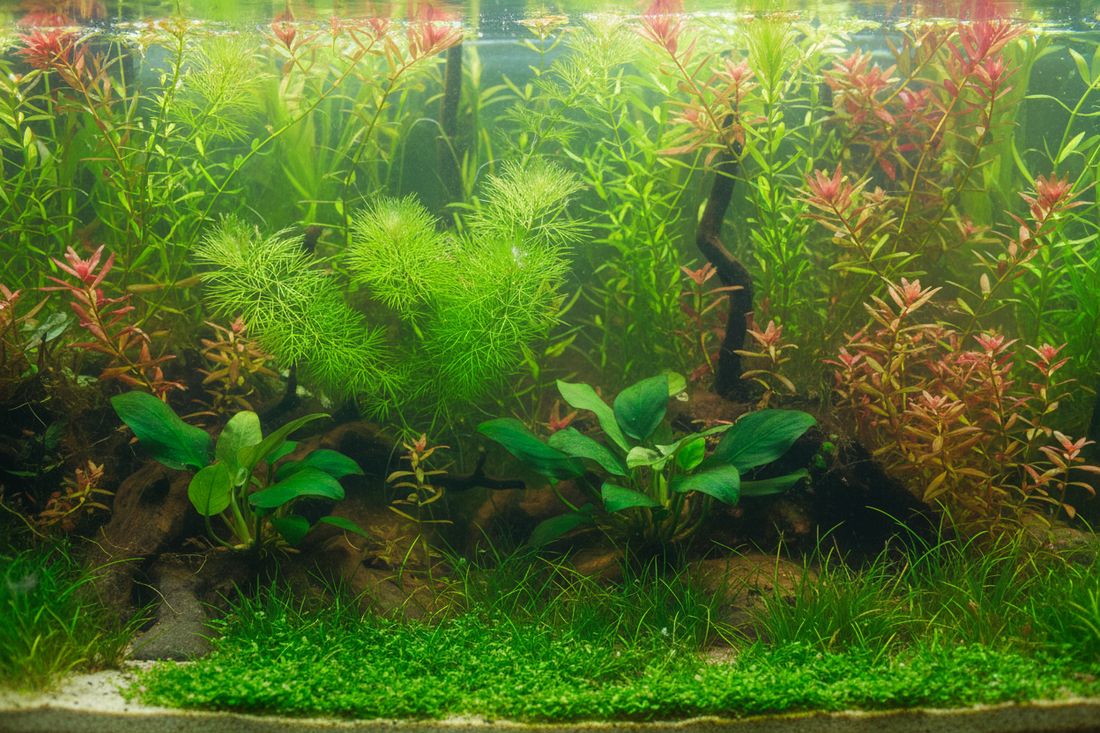
Freshwater Aquariums
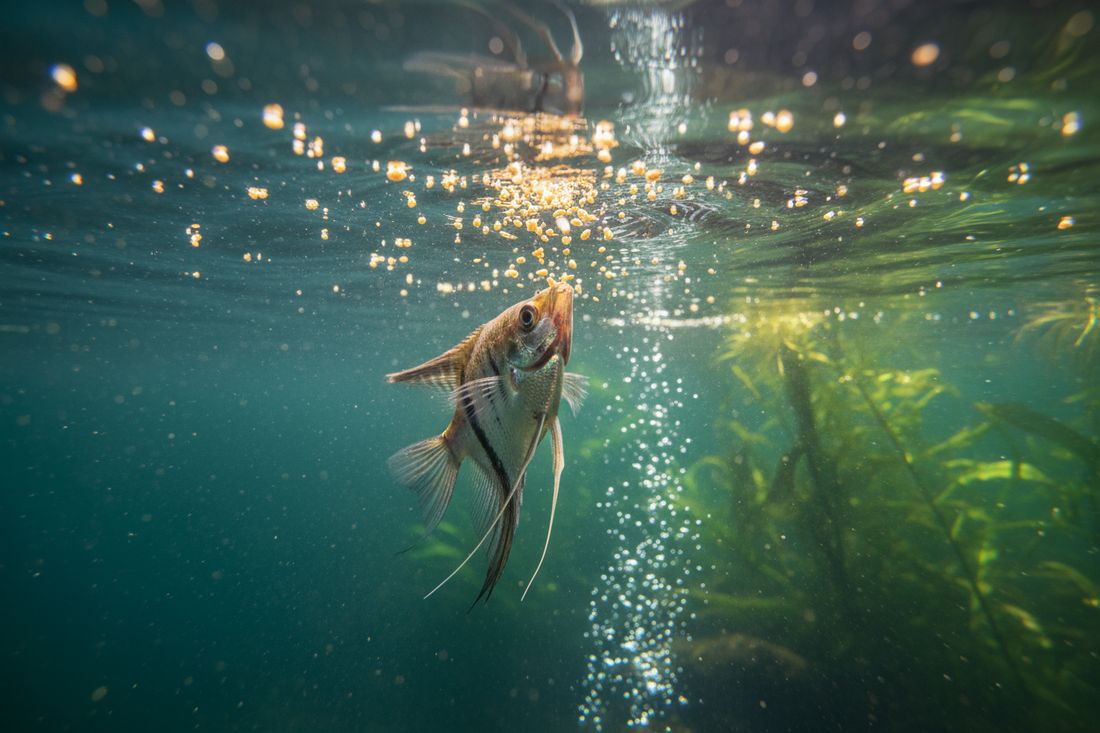
A healthy tank is all about the nitrogen cycle and steady routines.
- Always use water conditioner
- Add fish slowly to let bacteria catch up
- Don’t rinse filter media in tap water
- Live plants help with water quality
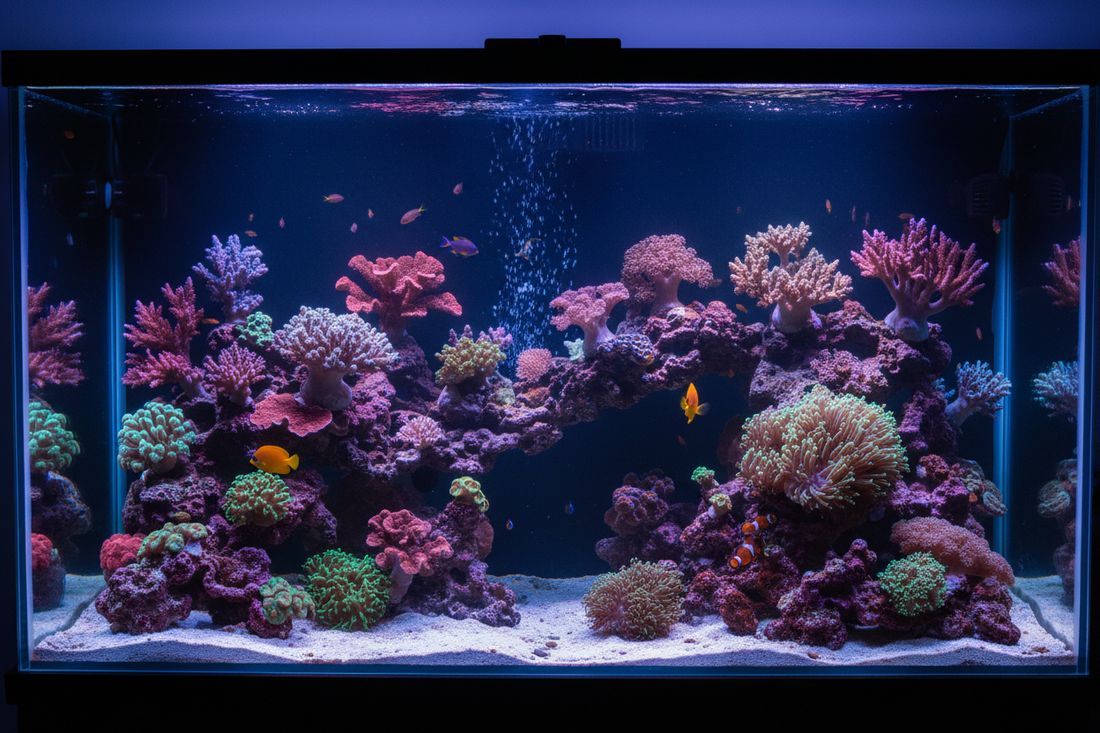
Reef Tanks
Reef keeping is rewarding and demanding — stability is everything.
- Test regularly and change one thing at a time
- Dose 2-part slowly and consistently
- Strong, varied flow keeps corals healthy
- Quarantine new fish
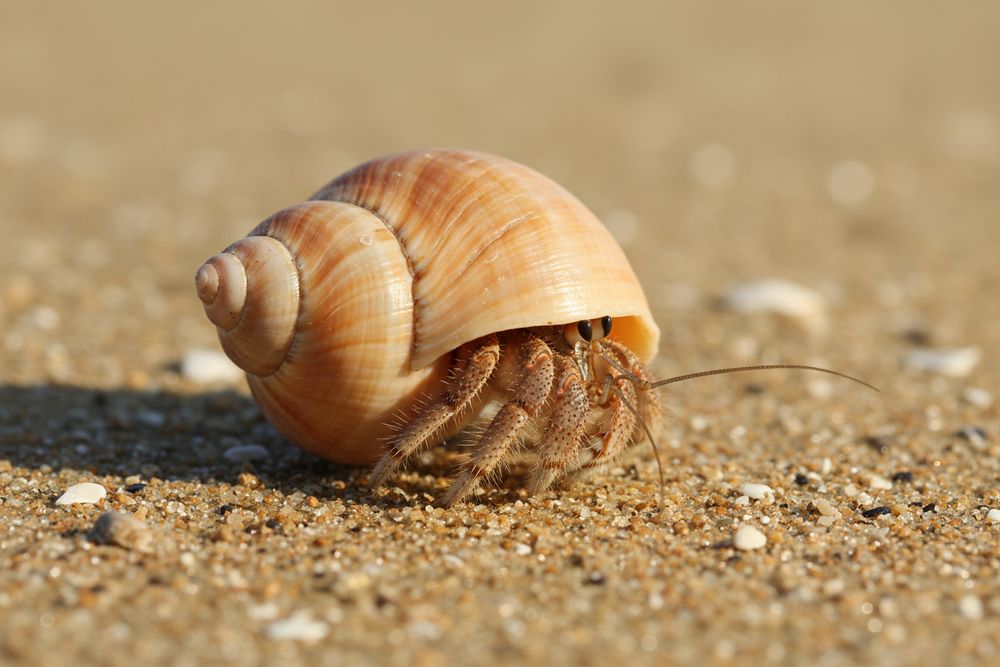
Hermit Crabs
Social, surprisingly long-lived and wildly underestimated as pets.
- Keep substrate deep enough to bury for molting
- Offer extra shells in a range of sizes
- Keep at least two — they’re social
- Use a heat mat on the side, not under the substrate
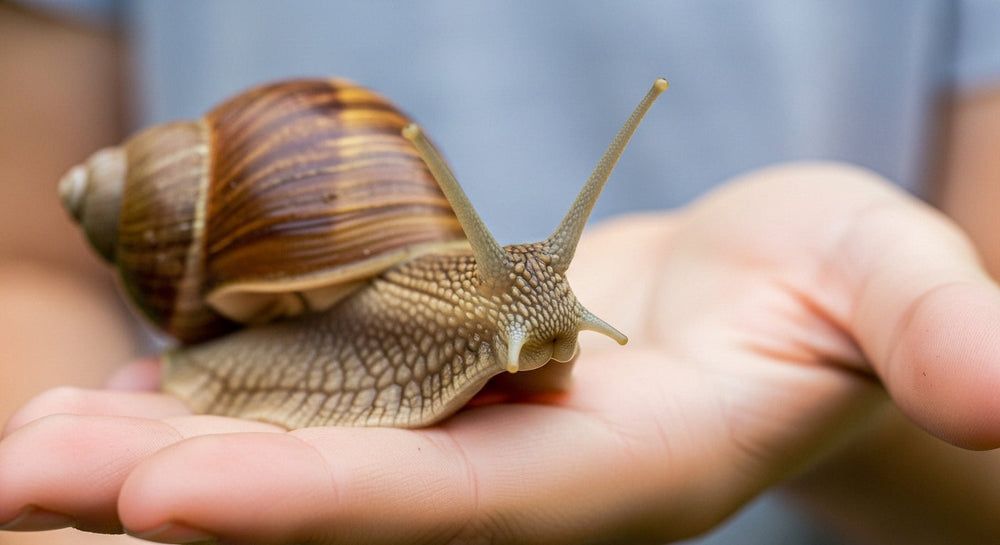
Garden Snails
Everyone’s favorite starter pet — easy, calm and great for kids.
- Mist the enclosure daily
- Always offer cuttlebone for strong shells
- Remove uneaten food daily
- Wash hands after handling

Horses
Hard-working partners that thrive on forage, routine hoof care and turnout.
- Fresh, clean water at all times
- Make feed changes gradually
- Use fly protection in warm months
- Groom regularly to spot injuries early

Not sure what your pet needs?
Our experienced trainers and aquarists can suggest starter packages, fix a problem tank or habitat, or just admire your pet photos.